Top 3 Key Takeaways
- 1. Your braces are built just for you AI designs and 3D prints brackets customized to your individual teeth — not a one-size-fits-all solution pulled off a shelf.
- 2. Less time in the chair, more precision from day one Indirect bonding means all brackets are placed simultaneously using custom trays — faster, more comfortable, and accurate from the very first appointment.
- 3. Dr. Bhavnani is the expert guiding the technology The AI is a tool. The clinical judgment, the treatment design, and the patient relationship all come from Dr. B — a Board Certified orthodontist, which only 1 in 3 orthodontists nationwide can claim.
Read the full article here:
One of the most exciting things about the work we do to help our patients of all ages achieve beautiful, healthy smiles is the way in which modern technology has made orthodontics more comfortable, more accurate, and more efficient. Often, the parents of our younger patients had orthodontics themselves when they were younger; our adult patients may have had previous treatment, or they remember the complaints of their peers who had braces. Either way, we love seeing their reaction when we share the good news of what has changed and what they can expect from their treatment journey!
What do we see as the biggest transformations that have brought orthodontics fully into the twenty-first century?
3D Scanning and Imaging
Orthodontics has always needed to start with an exact model of the patient’s mouth, and back in the day that meant physical molds. The process required the patient to bite down on a tray of goo and wait for them to set to create an impression that was used to cast a plaster mold. This was uncomfortable at best and incredibly difficult for patients with a sensitive gag reflex. If you didn’t get it right the first time? You got to do it again.
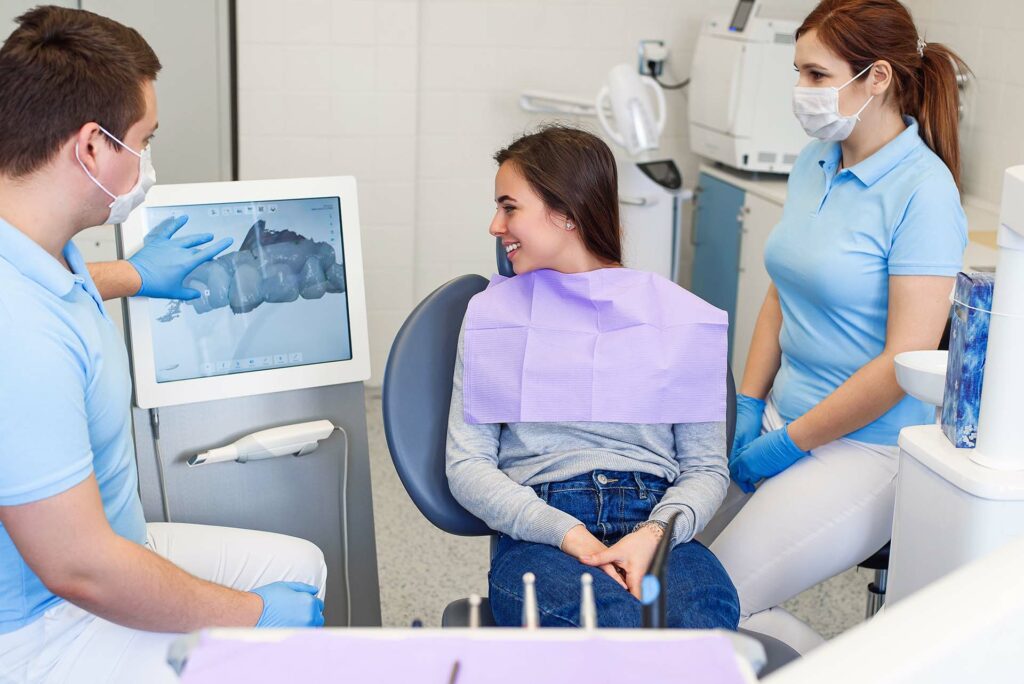
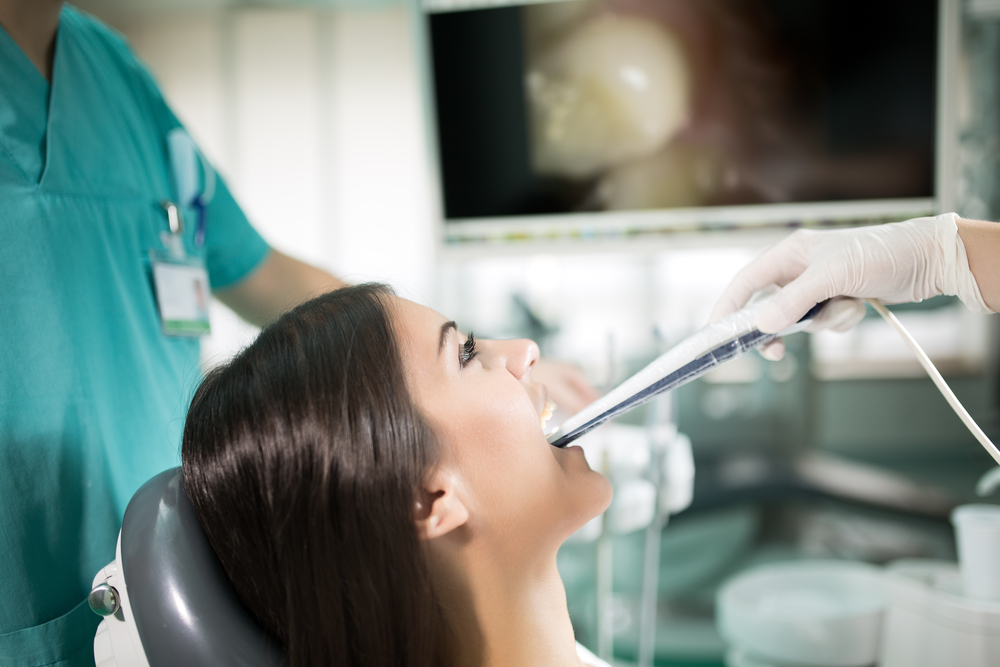
Digital scanning has made physical molds obsolete—instead, a scanner is used to capture a full, accurate 3D image of the inside of the mouth and create a highly detailed digital model. Not only is this far more comfortable, but it gives us more precise information to build more effective appliances and a better treatment plan.
Orthodontic Software
The digital model we obtain via a scan pairs with advanced, specialized AI-assisted software that helps to create a customized treatment plan. This can include mapping the most effective placement of braces or planning a sequence of clear aligners, mapping the gradual movement of the teeth throughout the treatment process. Data from the digital model can be used to fabricate clear aligners or customized clear braces.
Beyond planning the treatment, the software allows us to visualize the entire process and the outcome of treatment. Our patients don’t have to imagine what their new smile will look like when treatment is done—we can show them right from the beginning! We’re also able to map a patient’s progress to ensure that treatment is progressing as planned or to make timely adjustments as needed. At every step, both we and our patients have the information we need to set realistic expectations and make informed decisions about treatment.
Improved Materials for Clear Aligners
Clear aligners were already a game-changer when they were first introduced in 1999, but advances in the materials used to make them have made them even more effective and comfortable than before. Newer thermoplastics are more flexible, durable, and precise, which minimizes discomfort while enabling more effective tooth movement.
Indirect Bonding
In the same time that clear aligners have become popular, traditional braces have also improved significantly — not just in materials, but in the precision with which they are placed. One of the most meaningful advances we offer is indirect bonding, a technique that ensures every bracket is positioned with exceptional accuracy from the very start of treatment.
Using LightForce technology, we digitally plan the ideal placement of each bracket before treatment even begins. From that plan, custom 3D-printed placement jigs are created — precisely fabricated guides that transfer the bracket positions from the digital model to the patient’s teeth in a single, efficient step. This means greater comfort for our patients during the bonding process, less chair time, and more predictable results throughout treatment, because each bracket is where it needs to be from day one.
Customized Clear Braces
The combination of digital scanning, AI-powered software, advanced materials, and 3D printing has also enabled a next-generation advance in braces technology: LightForce clear braces. Unlike traditional braces, which use standardized brackets for every case, LightForce uses 3D-printed clear ceramic brackets that are customized to the individual patient’s teeth. This ensures that each bracket is optimally placed for the most efficient tooth movement, shortening the treatment time and making the process more comfortable.
Better Choices and Better Experiences for Orthodontic Treatment
Older orthodontic technology may have gotten the job done, but modern orthodontics gives us the ability to make our patients’ treatment more efficient, more comfortable, and more discreet, with a greater range of options to fit their preferences and lifestyle. If you’re looking for the latest advances that will improve your orthodontic journey and results, B Orthodontics has them. To schedule your consultation, contact us here today.